

Joint and soft-tissue injections: nothing to do with ketamine
A specific skill that I developed over the years is injections, both joint and soft-tissue.
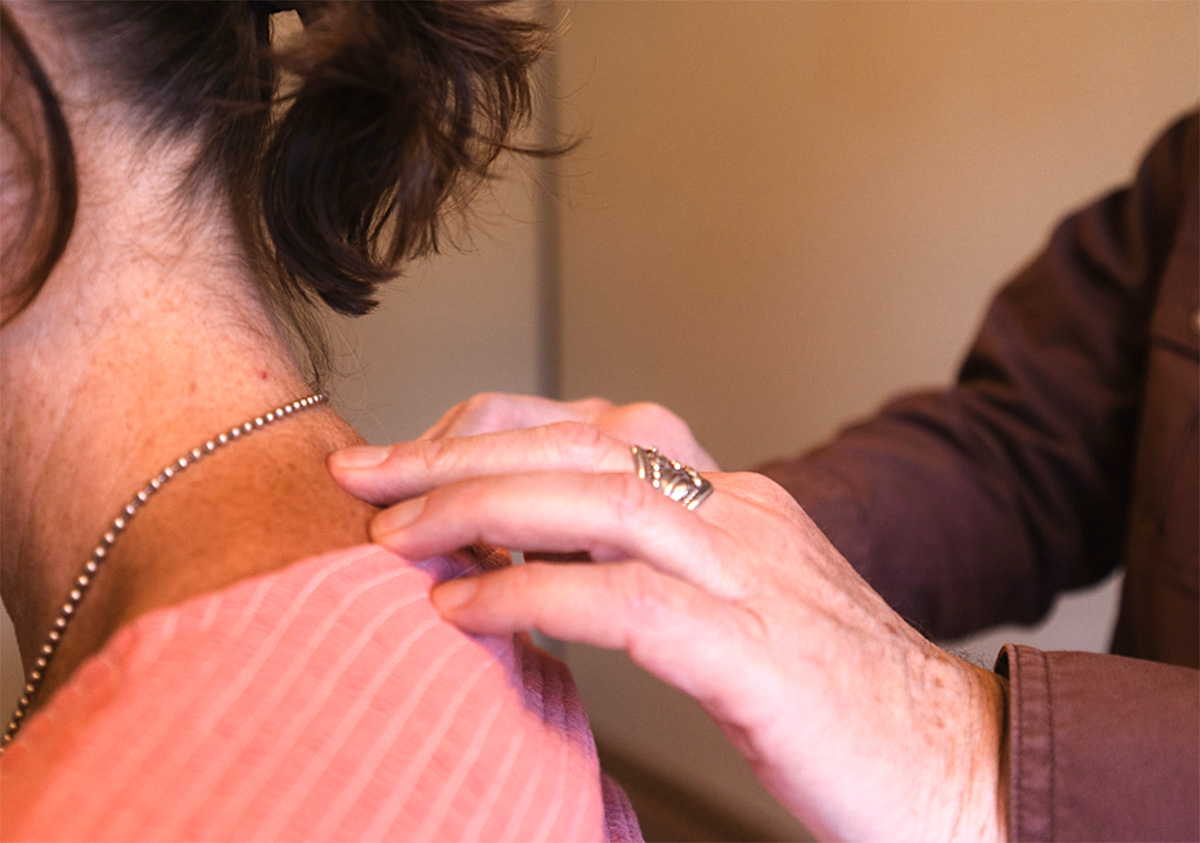
Trigger point injections
Trigger points, those tight knots people get in their muscles, can be painful and even disabling. There are a number of treatments including massage and dry needling.
Trigger point injections involve putting a needle into the trigger point and injecting with local anesthetic, with or without steroids. This often will settle the pain down for a time.
My technique includes using a combination of 2 local anesthetics (lidocaine and bupivicaine,) not using steroids, and not using ultrasound-guidance. I inject the anesthetic throughout the trigger point and, when it’s numbed, aggressively work to break up the micro-scar tissue that makes the trigger point so hard and painful. Patient feedback has been that this is more effective than what they get with more standard trigger point injections. I do not use ultrasound because I have not found it necessary, and I find it interferes with my ability to feel the trigger points. I also do not use steroid because the best studies I have seen tell me it doesn’t add anything to the effectiveness of the injection, adds to the cost, and can cause side-effects with regular doses.
Other soft tissue injections
Other injections include:
• Carpal tunnel injection for carpal tunnel syndrome. This will settle down a milder case but will not cure a more serious case. It can calm things down to buy time before considering surgery.
• Tennis elbow and other tendon insertions. I inject with local anesthetic only, without steroids: steroids help in the short term but may worsen the pain in the long run, according to studies. In my opinion injection is called for if initial treatment, including rest, exercises, therapy, and possibly splinting, is ineffective. I inject local anesthetic around the tendon and, once it’s numb, use “micro-puncture” technique, basically poking at the tendon with my needle. This has the effect of promoting the body’s healing response.
Joint injections
Joint injections can be helpful for pain, in particular with arthritis. There are a number of down sides:
• Joint injections don’t cure anything, they settle the pain down for a time.
• Repeated steroid injections can cause systemic side effects based on the cumulative amount of steroid someone receives.
• Repeated steroid joint injections can cause the joint to wear out more quickly and can weaken the supporting structures, making it more likely that, if surgery is done, it won’t have as good of an outcome.
• Hyalouronic acid injection (Synvisc) does not have the risks of steroids; it is very expensive, however, and I will not be offering this because of the cost.
• Any time a needle is put into a joint it can cause an infection; an infected joint is a major problem that will require surgery and prolonged IV antibiotics.
Most primary care providers, and all orthopedic providers, can do injections in the major joints. The smaller joints are trickier.
I offer injections into most joints. The exceptions are the hip joint and facet joints in the spine.